Food lovers living in the Dominican Republic have reason to celebrate. Not without reason, the hotel and restaurant sector has undergone significant development in recent years, driven by fine dining from leading chefs who are revolutionising the country’s kitchens.
However, every new project comes with major challenges to face, and fine dining is no exception. With the focus on culinary innovation, exceptionally high-quality products, more meticulous and artistic presentation, and more complex and refined preparations, one must not overlook—and it becomes even more complex—ensuring food safety in these new culinary creations. This is one of the major challenges faced by professionals in 21st-century kitchens.
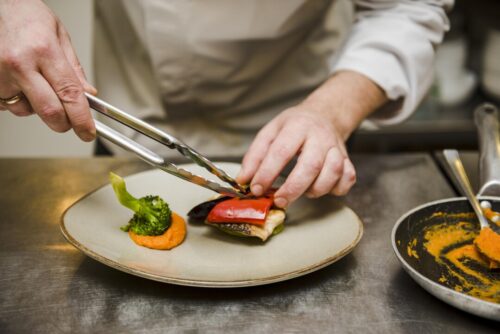
The new techniques used in fine dining, with increasingly complex preparations, require HACCP self-monitoring systems that cover the entire process and simplify control in any collective catering establishment. Vacuum cooking, molecular gastronomy, spherification, foams, the use of hydrocolloids… Kitchens increasingly resemble a laboratory; chefs’ imagination is booming, and nowadays it no longer surprises us to see dishes at buffets such as raw items, ceviches, or low-temperature cooked foods. Foods that require special attention to ensure they are safe from a hygienic-sanitary standpoint.
Most frequent incidents
At HS Consulting, our technicians, Public Health experts, carry out thorough inspections in all areas involved in food safety, from receiving products from the supplier, storage, disinfection processes, preparation, cooking, through to serving the dish to the end consumer.
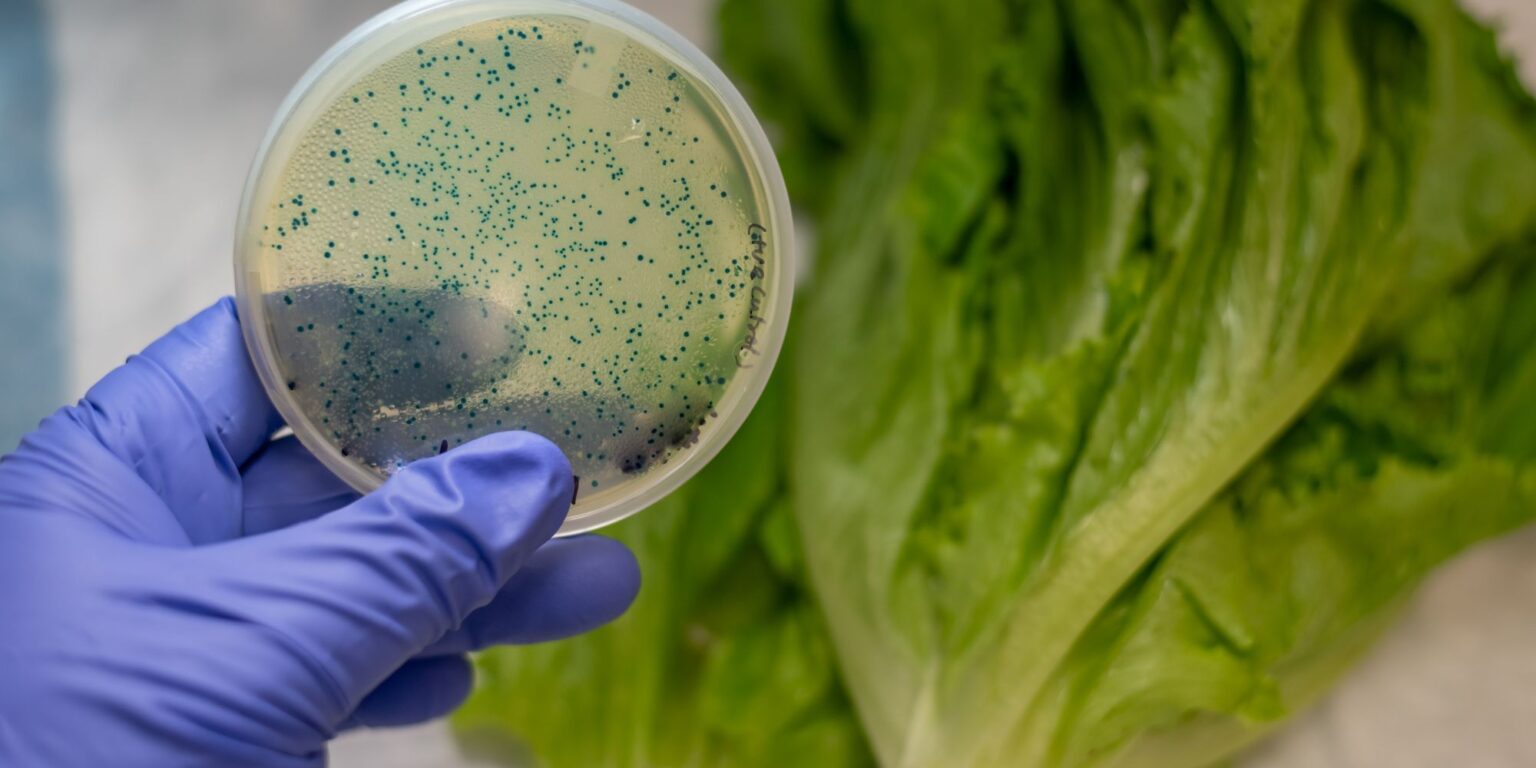
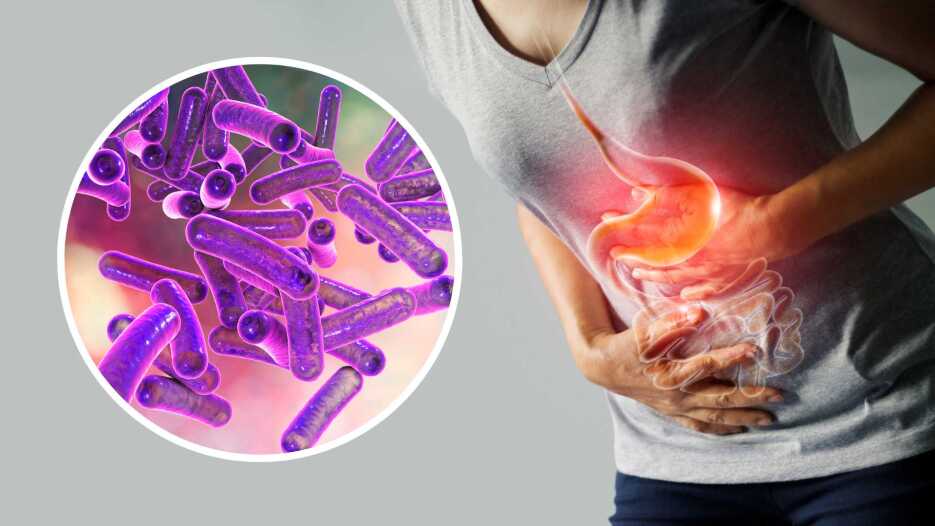
Most of the incidents detected in our audits are related to cross-contamination, the process by which ready-to-eat foods can come into contact with pathogenic bacteria (which can transmit foodborne illnesses to consumers). Encouraging frequent handwashing, separating raw foods from cooked foods, avoiding the crossover of utensils, and maintaining good cleaning and disinfection are some of the good practices to ensure food safety.
Enterobacteria and E. coli, the most frequent microorganisms
In our laboratories, HS LAB, we have analysed 70,000 samples so far this year. These samples are activities to verify that the process is under control.
The analyses show that 83% of tests, globally, are microbiologically compliant.
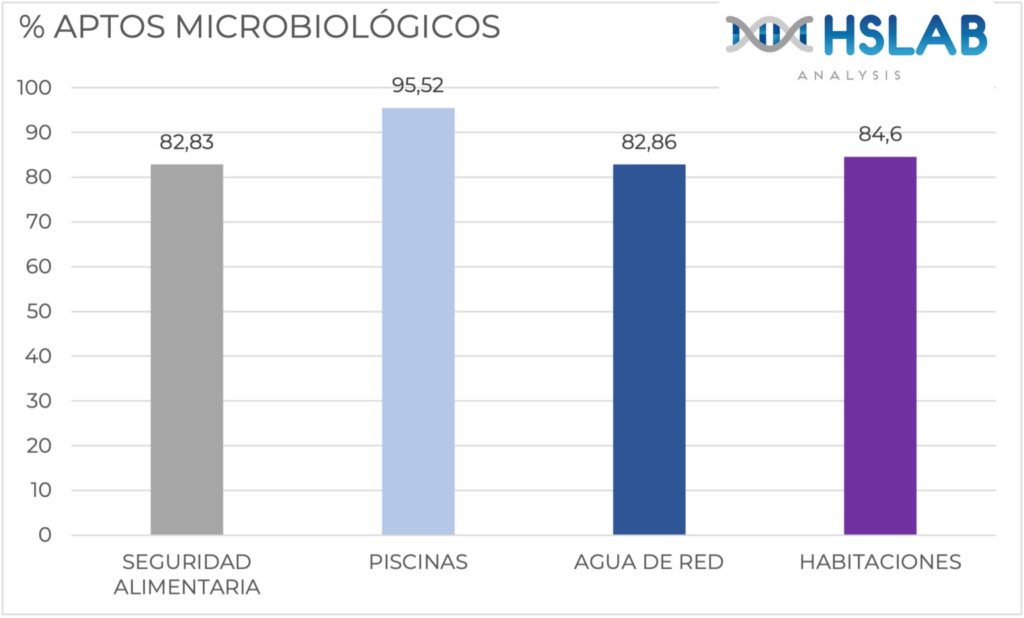
In the table below you can also see these averages for other types of tests.
By parameter, most non-compliant results are caused by coliforms (Enterobacteria) and, within this family, Escherichia coli. This indicator in prepared foods may indicate that there has been cross-contamination. Another marker used is Staphylococcus aureus. However, the latter indicates poor food handler hygiene.
Offering a quality product—tasty dishes with complex, innovative, and artistic preparations—while ensuring food safety and hygiene is undoubtedly one of the major challenges in these times of commitment to fine dining for the great chefs of this country.
Author: Julián Serrano
BPharm
Regional Director, Dominican Republic
HS Consulting Group