
The hotel industry, characterized by high guest turnover and constant interaction among people from diverse backgrounds, faces significant challenges in preventing health risks. The health and safety of guests and employees are not only ethical imperatives, but also essential to operational success and the reputation of hotel establishments. Implementing preventive measures based on international guidelines and agencies is crucial to mitigate health risks in this sector and directly contribute to collective public health.
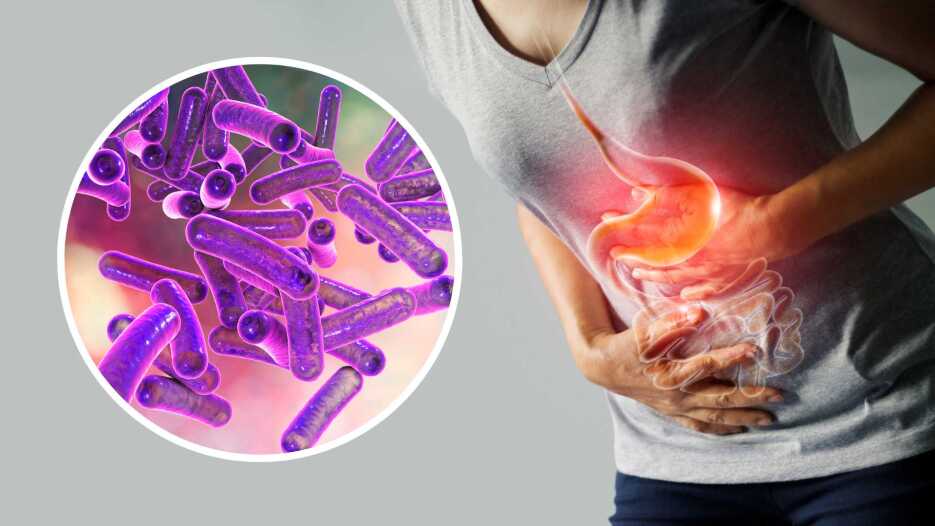
Health risks in the hotel industry can be diverse and multifactorial. Among the most common are infectious diseases of viral, bacterial, parasitic, and fungal origin, acquired through food, water, person-to-person transmission, high-touch surfaces, as well as spaces with inadequate cleaning and disinfection management. According to a specific WHO fact, more than 200 diseases are caused by consuming food contaminated by bacteria, viruses, parasites, or chemical substances such as heavy metals.
This growing health problem has a considerable socioeconomic impact due to the pressure placed on healthcare systems, loss of productivity, and the deterioration of tourism and trade.
On the other hand, there is also another group of diseases known as occupational diseases that directly affect employee health. These hazardous working conditions that cause occupational illnesses, workplace accidents, and absenteeism represent a considerable financial cost for the health sector, estimated to reach up to 2% of health expenditure (WHO). Therefore, the biopsychosocial consequences at the individual and collective level for workers affect the global public health, economic, and social landscape.
International organizations provide detailed, evidence-based guidelines for preventing health risks in the hotel industry, such as:
Food hygiene and safety, prevention of disease transmission, water hygiene prevention, prevention of occupational risks, environmental protection and sustainability, training and awareness for continuous improvement.
Conclusion
Preventing health risks in the hotel industry is an essential component of health and safety management in these establishments and directly impacts global public health. Therefore, we must continue to focus on continuous improvement based on the guidelines of international health agencies. Hotels not only can, but must implement effective preventive measures that protect the health of their guests and employees as a human right.
HS CONSULTING, as a global safety and hygiene consulting company for the hotel industry, is committed to supporting hotels in implementing these measures, ensuring a safe, healthy, and humane environment for everyone.