Opinion. This month’s reflection. By José María Berrio
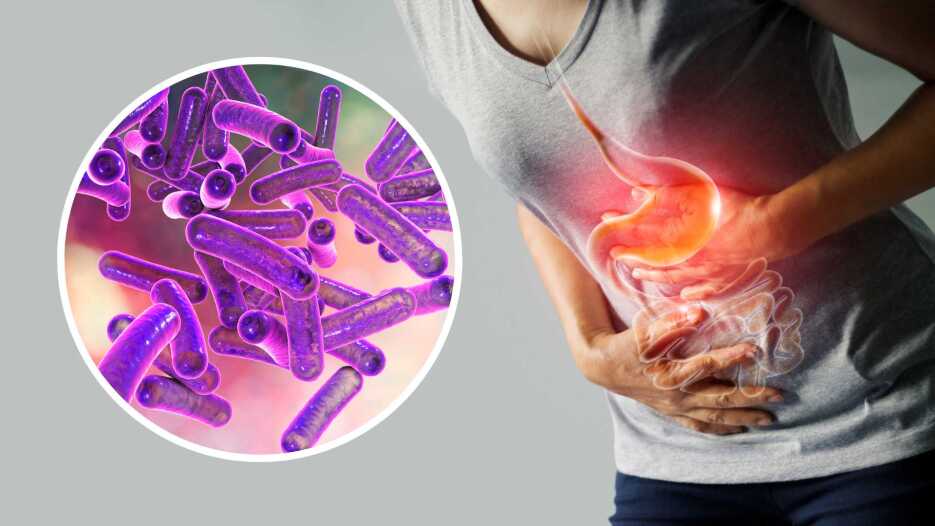
This week, there is much discussion about the E. coli outbreak that has put McDonald’s in check, which has resulted in more than 70 people infected by this bacterium as of October 28, two of whom experienced renal complications, and one fatality, an elderly person from Colorado.
The news spread like wildfire and caused such a stir in the sector that the company experienced a significant drop in its stock market value. However, is the food alert truly warranted given the number of McDonald’s establishments and the exorbitant number of hamburgers served daily? Let’s analyze the data.
Recently, I read an article in the New York Post that revealed the fast-food giant sells 6.48 million hamburgers in a single day, which equates to 2.36 billion hamburgers served worldwide in a year. With these figures, could food industry experts affirm that the company’s HACCP control systems are effective? It is well known that McDonald’s, like other similar companies, has rigorous and strict safety protocols to guarantee the harmlessness of its food and the safety of consumers.
The E. coli outbreak this October, as mentioned, has so far affected more than 70 consumers, and one of them has died. Let us remember that E. coli can cause serious complications in individuals with pre-existing conditions, the elderly, immunocompromised individuals, etc. In this case, the deceased is an elderly person from Colorado whose prior health status has not been disclosed.
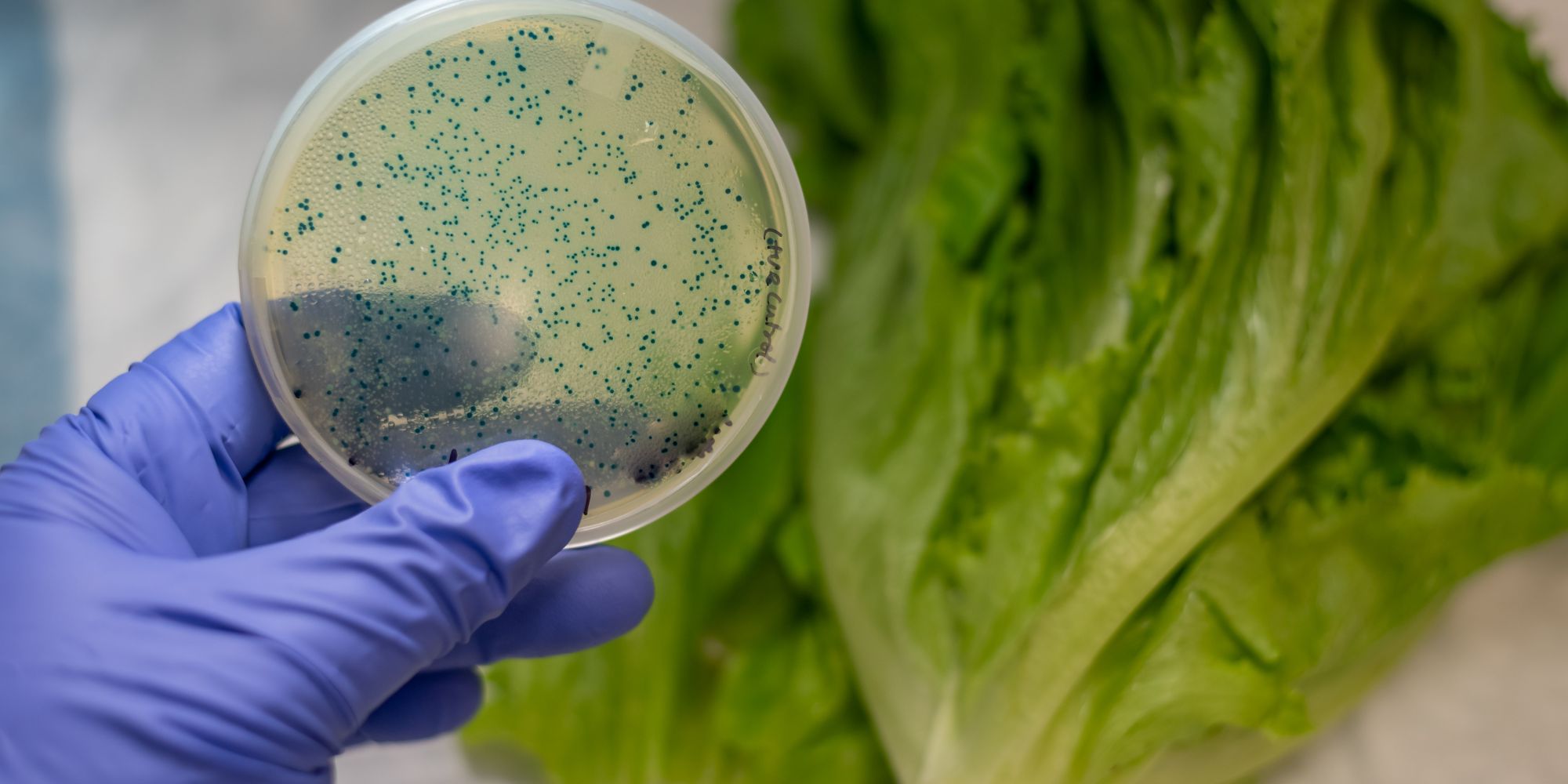
The latest published information does not point to the meat, but rather to the sliced onions supplied by Taylor Farms to 900 McDonald’s establishments in the Midwest region of the country. Now the company, and other fast-food chains, have discontinued this ingredient and have even canceled their contract with this supplier (article: The Onioncide). (Another current topic is the treatment of ground meat in undercooked Smash Burger-style hamburgers, which certainly warrants another article).
In the context of imminent presidential elections in the US, with social media and the news media spreading the story rapidly, creating trending topics based on headlines that are sometimes media-driven and sensationalist, my reflection follows the path of common sense. Unfortunately, food alerts for the presence of pathogenic bacteria such as Listeria or Salmonella in batches of smoked salmon, shredded meat, pre-cooked products, etc., are published daily (AESAN).
In the hotel or restaurant sector, we also have examples of food poisoning cases, such as last July in Murcia, where a wedding with 50 guests experienced symptoms of diarrhea and vomiting (News).
Quality managers in the food industry are well aware that a robust prevention, control, and verification system must be in place to guarantee food safety and harmlessness. However, sometimes this system can fail, and early detection of the problem, before offering the product to the consumer, is key to preventing potential intoxications.
And as a final thought, I pose this question: Analyzing the data, do you believe that the HACCP system, in this case at McDonald’s, has been effective over the years?
José María Berrio
B.Sc. Biology
B.Sc. Biochemistry
CEO HS Consulting Group