It is essential to always drink bottled water, especially when travelling to high-risk countries.
The most direct routes of transmission originate from food and water.
Shigella is a pathogenic bacterial microorganism for the human body. It originates in the intestines of animals and is highly invasive. The illness it causes is known as shigellosis, it is transmitted through water and food, and it is one of the most common causes of diarrhoea of bacterial origin.
From a biochemical standpoint, Shigella is a microorganism that is difficult to distinguish from E. coli, Salmonella, or Citrobacter spp. In terms of food contamination, it is also very similar to the other bacteria. As with all of them, the handler’s hygiene plays an important role in its transmission, although it is not the only factor that must be considered to avoid and prevent it.
Its presence indicates a significant lack of hygiene and it can be transmitted from person to person, via hands, through water, by insects, or through faecal contamination. This article explains how to avoid Shigella easily, what measures people who already have the bacterium should adopt, and the routes of transmission.
ROUTES OF TRANSMISSION
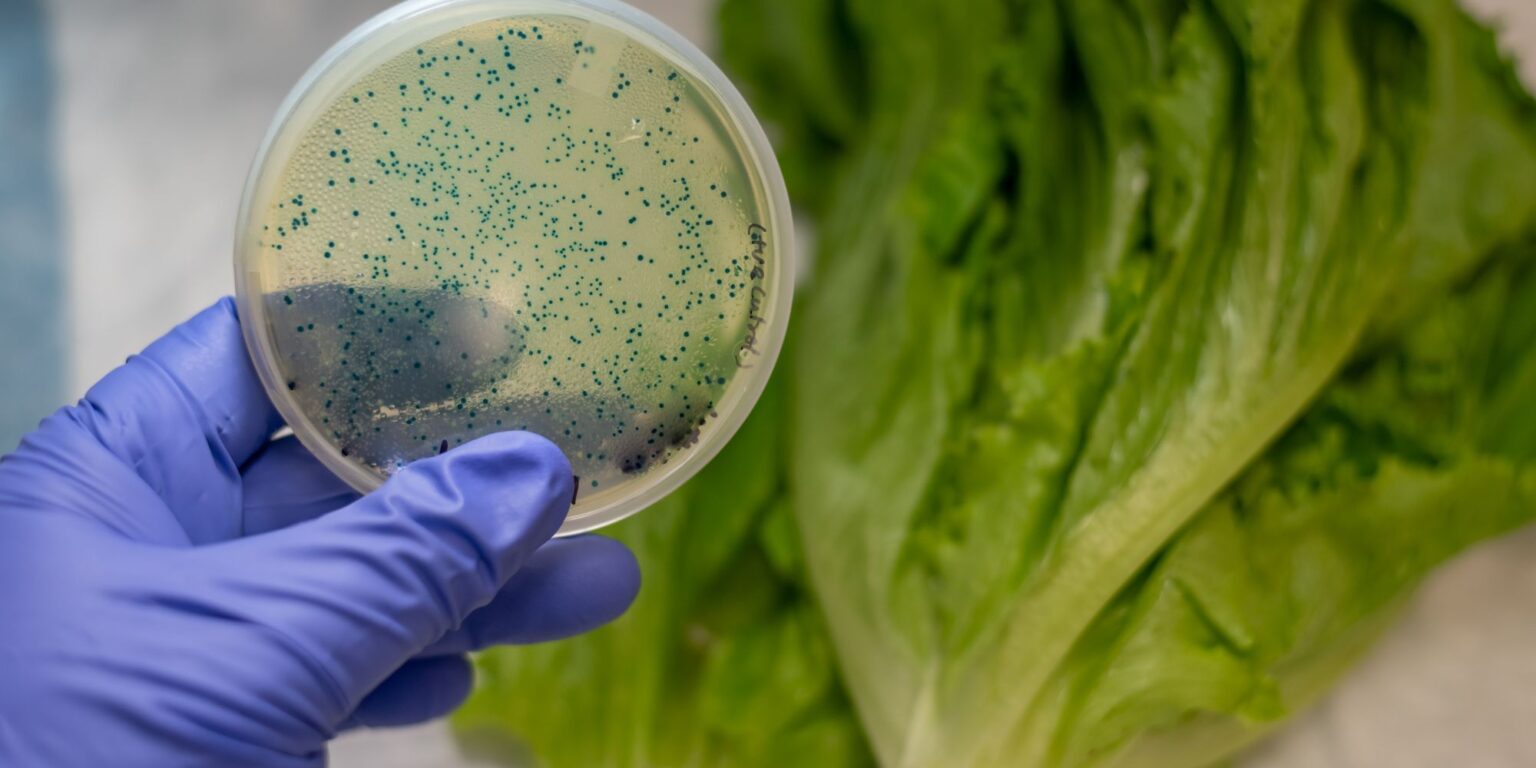
The bacterium can be ingested in several ways, although the most direct originate from food and water. With regard to food, the presence of insects such as flies in the area where it is handled favours transmission, as they can breed in infected excrement and, when they land on food, contaminate it. As for water, swimming in wastewater poses a risk due to the presence of contaminated faeces from both animals and people. Therefore, it is essential to always drink bottled water, especially when travelling to high-risk countries.
In this latter case, hygiene guidelines must be strictly reinforced. Shigella is present in the faeces of infected people for up to two weeks after recovery. Hence, most infections result from the bacterium passing from one person’s faeces or dirty hands to another person’s mouth. This occurs especially when basic hygiene habits and handwashing are ineffective or insufficient and, in particular, among young children who are not familiar with hand hygiene and toilet use.
SYMPTOMS OF “SHIGELLOSIS”
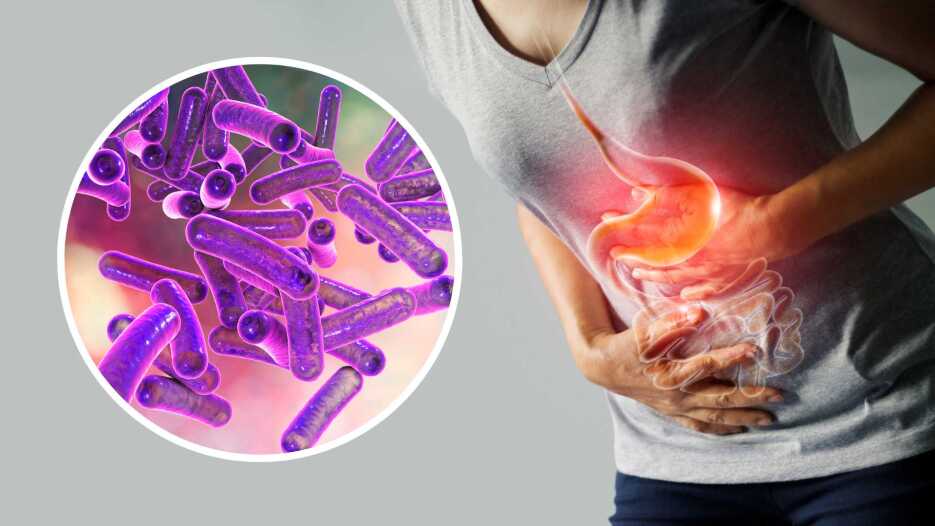
If Shigella is ingested, its toxin penetrates the intestinal mucosa and causes shigellosis. Symptoms develop between one and three days after ingestion and begin with fever, abdominal pain, and watery diarrhoea. They last between four and seven days; however, depending on the type of bacterial strain, the illness can be much more severe and last more than ten or twelve days. One of the notable characteristics of this contamination is its rapid spread, as the bacterium has a low infectious dose: 10 to 200 microorganisms are sufficient to trigger symptoms.
Avoiding Shigella easily. PREVENTION
– Wash hands with soap before and after handling food. Lack of hygiene measures among food handlers is one of the most common causes of contamination, so thorough washing is necessary, especially between the fingers. Once finished, dry with single-use paper and ensure hands are completely dry. Avoid cross-contamination when cooked foods come into contact with raw or contaminated ingredients (via kitchen utensils).
– In short, proper cooking and rigorous hygiene during food handling are essential to prevent Shigella infection, which in most cases originates via the oral–oral route.
What infected people should avoid
People infected with the bacterium should take certain aspects into account to hinder the spread of the disease to healthy individuals.
– Avoid working in roles with a high risk of transmission, such as food retail premises, childcare and elder care, or food industry workers who are in direct contact with processed foods or foods pending processing.
– Do not handle food. It is preferable that infected people do not handle food under any circumstances.
– Avoid direct contact with children, older adults, or people with a weakened immune system, as transmission is easy in these cases.
Source: https://www.consumer.es/seguridad-alimentaria/como-prevenir-shigella-en-alimentos